
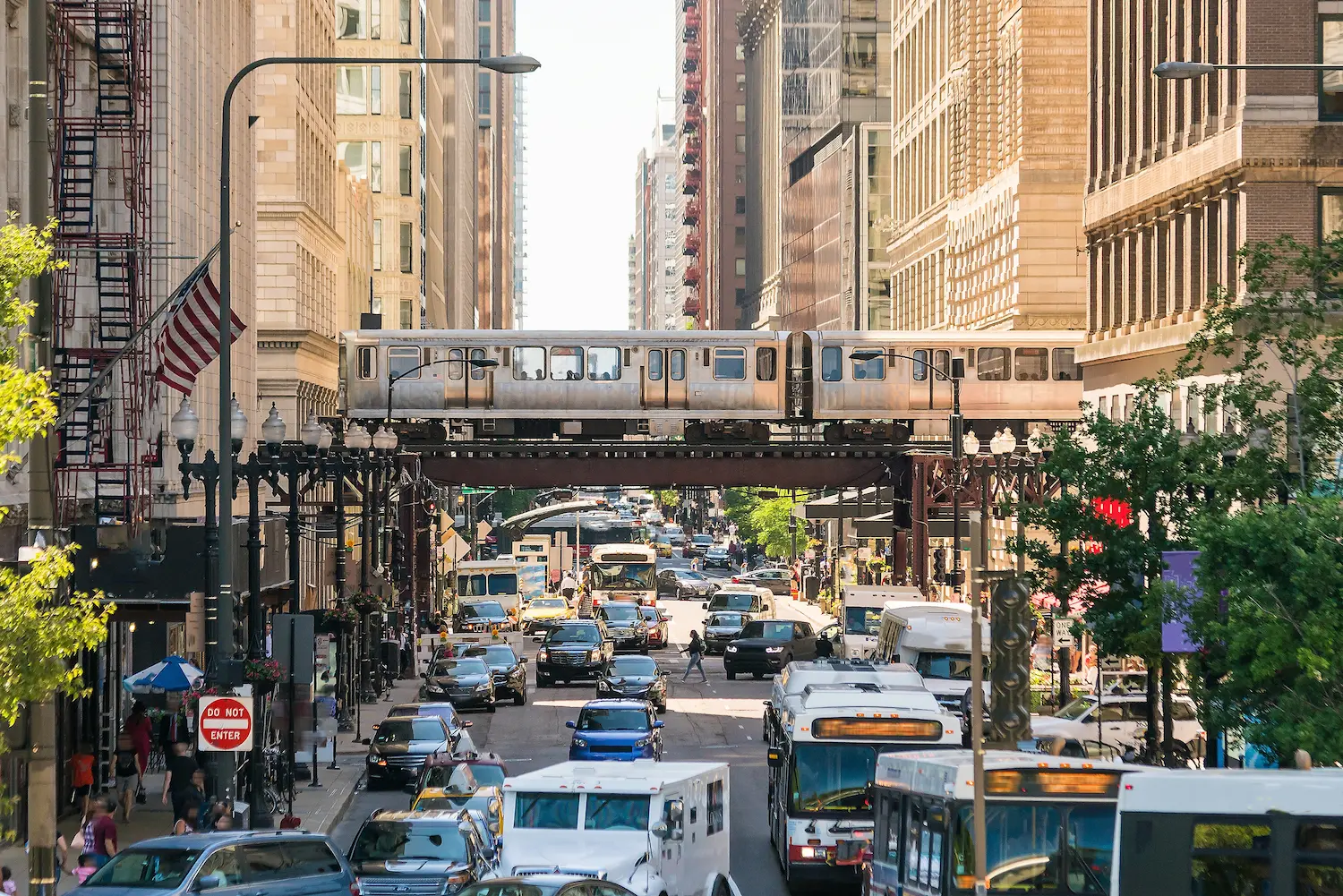
Should we zone for cars or people?
Cities are packed with amenities, opportunities and people. That forces a tradeoff between cars and people. When our government chooses how to shape the lives of their many citizens, they need to take a broader view of the options and the impacts.
Complex problems are often vague and have many possible solutions. The Meta-Problem Method may lead you far away from the dilemma that started your quest. That’s because the method forces you to clarify what you really want and what you are willing to give up. It enables you to compare objectively the possible pathways and their trade offs. It prevents you locking into solutions mode too early and then doubling down on solving a low-yield problem that does not serve your goals as well as the alternatives. At the end of this process, you will have a better understanding of your priorities and how to achieve them.
Steps in the Meta-Problem Method
Dilemma
The high-level issue you are trying to address
Design zoning in a city for the benefit of the people.

Goal
The changes you want to make to address the dilemma. There are usually many options.
Supporting Goals
- Sufficient parking to cover driver needs.
- Maximum space for people and businesses.
Other goals could include minimizing development costs, reducing commute times, meeting current and future population expectations, and creating business opportunities.

Problem Space
The set of problems you could chose to solve to advance your goals, plus the constraints that hold you back.
Example problems
- Which zoning rules would allow sufficient parking to cover driver needs? Maybe the problem to solve is “How much parking is needed depending on how the city is designed?”
- Which zoning rules would maximize the space available for people and businesses? Maybe the problem to solve is “What zoning choices will lead to the most opportunities for our citizens?”
There are many other potential problems to solve related to choosing how to zone a city. Each goal has many possible problems we could link to it. Are there other problems linked to these first two goals? Which options come to mind for the other goals?

High-Yield Problems
Sometimes solving one problem helps make progress towards several goals. In this step, we identify these “two-for-the-price-of-one” problems.
Which options will advance more than one goal?
- Using data-driven analysis to inform the amount of parking to zone for will lead to enough parking to cover driver needs and can create business opportunities. However, designing for average amounts of parking will use up a lot of land that could otherwise provide more space for people and businesses, and can increase development costs and commute times.
- Designing city zoning to support easier walking and public transit access will increase space for people and businesses, provide business opportunities through higher density, and will reduce commute times. However, not all drivers will have their parking needs met which could also have negative business consequences.
There are many potential solutions that will have varying effects on the set of goals. Which alternatives improve the most important goals? How might the unknown change the right path forward? What other possible solutions are there to address the dilemma?

Problem Selection
Which of the many possible options in the high-yield problem step is the best set to address the dilemma?
- Which solutions make the most sense as a citizen?
- Which solutions will best address the dilemma?
- Which solutions will deliver the best outcome for the least amount of time, effort and money?

Implement, Learn and Adapt
Check continuously that you are still solving the best problem, as new information emerges.
Observe and learn as you go. As new information reveals itself, check continuously that you’re still solving the right problem.